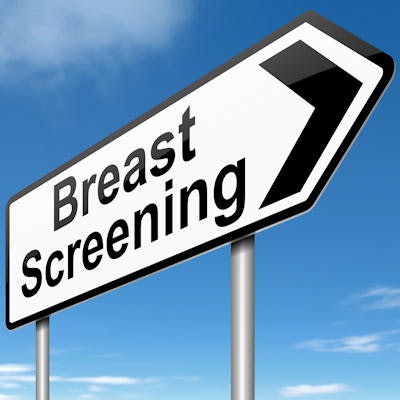
Introducing an organized breast cancer screening program in Geneva, Switzerland, increased adherence to mammography screening, but it did nothing to eliminate social disparities in the screening participation, an epidemiological study published on 1 August in Preventive Medicine has found.
The study included more than 5,000 women who were not screened previously. Dr. José Luis Sandoval, PhD, from the population epidemiology unit at Geneva University Hospitals, and colleagues divided these women into groups based on their education and income level. The number of screened women rose, but lower-educated women remained frequently unscreened, suggesting organized screening does not erase education-based inequalities, according to the researchers.
"We identified the existence of a socioeconomic status-related gap in mammography screening in a country with a universal healthcare system where an organized screening program has been implemented," they wrote (Prev Med, 1 August 2017). "Furthermore, we showed that while greatly reducing the number of unscreened women, the implementation of organized screening could not obliterate socioeconomic status-related inequalities. Additional interventions, besides organized screening, are still needed in order to close this socioeconomic status-related gap."
Education and mammography
Inequalities in access to screening may result in differential mortality and morbidity according to socioeconomic status, the authors wrote. To address these inequalities, the first step is to learn more about the inequalities.
Organized screening programs were proposed to reduce socioeconomic status disparities, but do they? That's precisely what Sandoval and colleagues sought to verify.
In the state of Geneva, organized screening was introduced in 1999 for resident women between the ages of 50 and 69 (and 74 after 2013). Every two years, target women receive an invitation to schedule an appointment with an accredited radiologist at a personal financial cost of approximately 20 Swiss francs (17.5 euros).
The researchers used data from the ongoing Bus Santé study, a cross-sectional population-based survey that covers breast cancer screening and other screening areas as well. It aims to monitor screening participation and risk factors at a community level. In this instance, Sandoval and colleagues included 5,345 women ages 50 to 74 without a past history of breast cancer who participated in the Bus Santé study between 1992 and 2014. The women either had never had a mammogram or had not had a mammogram in the two years before being surveyed.
The researchers classified education into three categories: primary (no end of school certification -- Maturité -- or no professional apprenticeship), secondary (attaining secondary education), and tertiary (university degree). The women also self-reported income.
Of the participants, 28.5% had primary education, 43.0% secondary education, and 28.5% tertiary education. Approximately, 12% had never had mammography screening. Compared with women with a tertiary level of education, those having only a primary education were older (61.1 ± 7.1 versus 59.2 ± 6.5) and less often Swiss (68.8% versus 73.3%).
Exploring the relationship further
The proportion of unscreened women decreased with increasing educational level, from 16.2% in those with primary education to 8.6% in those with tertiary education. Also, overall the proportion of unscreened women decreased from 30.5% in 1992-1995 to 3.6% in 2011-2014.
| Baseline characteristics of participants stratified by education level | |||
| Primary | Secondary | Tertiary | |
| Mean age | 61.1 | 60.4 | 59.2 |
| Swiss nationality | 1,016 (68.8%) | 1,898 (85.5%) | 1,083 (73.3%) |
| Year of survey: 1992-1995 |
412 (27.7%) | 439 (19.7%) | 242 (16.3%) |
| 1996-1999 | 379 (25.6%) | 455 (20.4%) | 267 (18.0) |
| 2000-2004 | 443 (29.9%) | 577 (25.8%) | 428 (28.9%) |
| 2007-2010 | 127 (8.6%) | 370 (16.6%) | 237 (16.0%) |
| 2011-2014 | 119 (8.0%) | 392 (17.6%) | 307 (20.7%) |
| Never had a mammogram | 239 (16.2%) | 275 (12.3%) | 128 (8.6%) |
Women with primary and secondary educational levels were associated with a higher probability of never having had a mammogram in unadjusted and adjusted analyses, the researchers found. Also, compared with women with the highest household income, those with the lowest household income had a higher proportion of not following screening mammography recommendations (30.7% versus 11.0%).
"These results highlight how powerful income is as a determinant of health," they wrote. "Furthermore, it exemplifies how much studies in health inequalities can profit when income is recorded at the individual level."
The results are in line with other studies that demonstrate introducing organized screening programs results in an increase in screening.
"However, organized screening introduction was not sufficient to erase education-based inequalities, suggesting that other factors are still present and responsible for the prevailing inequality gap," the authors noted.
Examples include differences in information available to women of various socioeconomic statuses or access to opportunistic screening performed by private practitioners, which is also a limitation. The researchers cannot differentiate women who had had a mammogram in the context of the program from those who had had it opportunistically after 1999.