NEW YORK (Reuters Health), Aug 12 - Close to one-third of obese individuals are "metabolically healthy" and at low risk for heart disease, whereas a quarter of normal-weight individuals are metabolically abnormal with numerous cardiac risk factors, according to two reports in the August 11/25 issue of the Archives of Internal Medicine.
"Fat accumulation in the liver appears to be among the strongest determinants of a metabolically benign and malign obesity, and also is a strong determinant of metabolic disorders in normal and overweight individuals," Dr. Norbert Stefan told Reuters Health.
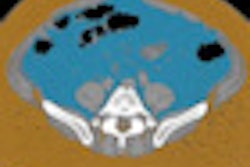
Led by Stefan, researchers at the University of Tubingen in Germany used magnetic resonance tomography to measure total body, visceral, and subcutaneous fat, and proton magnetic resonance spectroscopy to determine levels of fat in the liver and skeletal muscle.
Their study included 314 white adults up to 69 years old, with a family history of type 2 diabetes, a body mass index > 27, and/or a previous diagnosis of impaired glucose tolerance or gestational diabetes. Among the obese subjects, 31 were insulin sensitive (obese-IS), defined as the upper quartile of insulin sensitivity determined by oral glucose tolerance test results, and 96 were insulin resistant (obese-IR).
"Unexpectedly, the obese-IS group had almost identical insulin sensitivity and the intima-media thickness was not statistically different compared with the normal-weight group," the German researchers report. Intima-media thickness was significantly greater in the obese-IR group than in the obese-IS group.
There was 54% less fat accumulation in the liver in the obese-IS group than in the obese-IR group. Ectopic fat in skeletal muscle was also higher in the obese-IR group, as were circulating levels of insulin, C-peptide, glucose, adiponectin, and free fatty acid.
"In correlation analyses in the whole group, insulin sensitivity was strongly related with abdominal fat and waist circumference," Stefan noted. However, abdominal and visceral fat, weight, and waist did not differ significantly between the two obese groups.
"Altogether, 10% of the study population and 25% of the obese subjects had a high insulin sensitivity phenotype or 'metabolically benign obesity,' " the authors write.
"The determination of metabolically benign and malign obesity may help to first identify those obese subjects who are at highest risk for obesity-related diseases and start early treatment and preventive strategies," Stefan said. He warned, however, that "individuals with metabolically benign obesity still need to reduce body weight and to be carefully monitored for obesity-related complications."
In the second report, U.S. researchers analyzed data from the NHANES Surveys for 1999-2004 (n = 5,440) to determine correlates of cardiometabolic risk.
"Our data are nationally representative of the U.S. population aged > 20 years -- that includes women and men, a very wide age range, and non-Hispanic whites and blacks and Mexican Americans," lead author Dr. Rachel P. Wildman at Albert Einstein College of Medicine in the Bronx, NY, told Reuters Health. "Therefore, ours are the first estimates of these phenotypes that ... are widely generalizable."
"Metabolically healthy" individuals were defined as those with no more than one cardiometabolic abnormality, including hypertension, elevated levels of triglycerides, fasting plasma glucose and C-reactive protein, insulin resistance, and low levels of HDL cholesterol. Metabolic abnormality consisted of the presence of two or more factors.
Results showed that 76% of normal-weight adults, 51% of overweight adults, and 32% of obese adults were classified as metabolically healthy. Furthermore, more than 20% of obese individuals over age 79 had less than two risk factors, while 10% of those below age 35 and of normal weight had at least two.
"These data underscore the need to treat every patient as an individual," Wildman said.
"Of great importance," she added, "these results strongly suggested that physical activity is likely an important factor in helping overweight and obese individuals maintain healthy cardiovascular risk factor levels, even if the activity does not decrease body weight."
Wildman emphasized that her group's study did not assess obesity complications other than cardiovascular disease.
"Obesity is associated with sleep disorders, reproductive problems, possible cognitive problems, musculoskeletal problems, some cancers, etc., and our paper in no way addresses whether the obese individuals we have identified as 'cardiovascularly healthy' are also free of all of the other obesity-associated adverse health outcomes."
By Karla Gale
Arch Intern Med 2008;168:1609-1624.
Last Updated: 2008-08-11 16:00:52 -0400 (Reuters Health)
Copyright © 2008 Reuters Limited. All rights reserved. Republication or redistribution of Reuters content, including by framing or similar means, is expressly prohibited without the prior written consent of Reuters. Reuters shall not be liable for any errors or delays in the content, or for any actions taken in reliance thereon. Reuters and the Reuters sphere logo are registered trademarks and trademarks of the Reuters group of companies around the world.