Breast screening is moving away from a one-size-fits-all approach, according to Dr. Joana Reis, Medical Affairs Breast Imaging Solutions Lead for Radiology at Bayer, speaking in Maastricht, where the EUSOBI annual congress took place last week. While mammography remains the first-line screening modality, it is not equally sufficient for every woman, Reis noted.
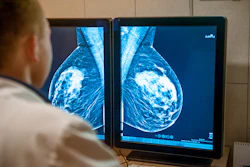
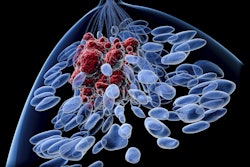
Dense breast tissue, for example, is both a breast cancer risk factor and a challenge for mammographic detection because it can mask tumors. More individualized, risk-adapted screening may therefore increasingly involve supplemental modalities such as contrast-enhanced MRI and contrast-enhanced mammography (CEM).
The shift is particularly relevant in the Netherlands, where breast screening has been established nationally for decades and Maastricht UMC+ is involved in research investigating how best to supplement mammography in women with extremely dense breasts. Read more about screening, CEM, and personalized breast imaging at MUMC+ in our accompanying feature report.
For Reis, however, evidence is only part of the equation. Bringing risk-adapted screening into routine practice also requires trained radiologists and radiographers, equipment, reimbursement, clear referral pathways, and careful communication with women about breast density and risk.
“At Bayer, we are very committed to helping advance breast imaging, trying to find the right imaging modality for the right patient at the right time,” Reis said.
Watch the full video:
This interview was conducted during a Bayer-sponsored press trip to Maastricht. Travel and accommodation were provided by Bayer.